Chess is played on a board, but it is fought in the mind. Every serious player knows this, even if they rarely admit it.
Beyond calculation, opening theory, and endgame technique lies a quieter battlefield: psychology.
How you move, how you sit, how fast you play, and even how you handle the pieces can influence your opponent’s thinking.
This article explores five well-known psychological tactics in chess. None of them replace good moves.
Poor chess cannot be hidden for long.
But when used ethically and intelligently, these tactics can create discomfort, provoke errors, and tilt the balance in your favor.
1. Playing Quickly
Speed is one of the oldest psychological weapons in chess.
When a player moves quickly, it sends a message:
“This position is easy for me.”
Whether true or not, the opponent feels it.
Why Playing Quickly Works
Chess players are highly sensitive to signals of confidence.
When you reply instantly, especially in complex positions, you create doubt in your opponent’s mind.
They begin to wonder:
- Did I miss something obvious?
- Is this theory I do not know?
- Am I walking into preparation?
That doubt eats time. The opponent slows down. They start double-checking lines that may not even exist.
This effect is strongest in the opening and early middlegame.
If you blitz out the first ten moves confidently, many players assume you are still “in book.”
Even if you are not, the impression alone can cause hesitation.
Time Pressure Amplifies Mistakes
Playing quickly also shifts the clock dynamic. Chess clocks are psychological instruments.
When your opponent sees their time shrinking while yours remains untouched, stress begins to build.
Under time pressure:
- Calculation quality drops
- Pattern recognition weakens
- Emotional decisions increase
Many blunders occur not because a position is hard, but because the player feels rushed.
Famous Example
Hikaru is well known for playing opening phases at lightning speed, projecting dominance.
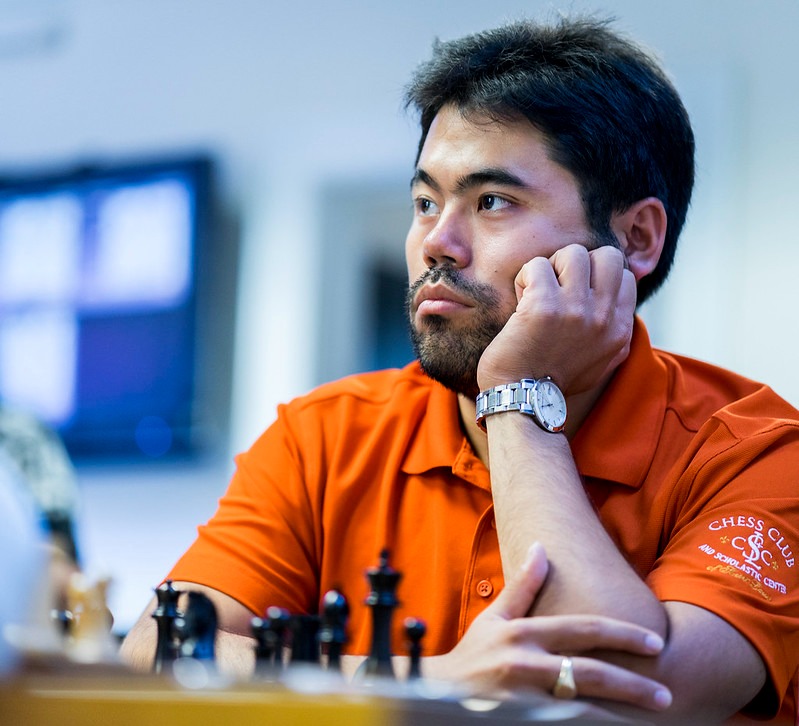
In faster time-controls, he is in a league of his own when it comes to speed.
He is nicknamed “the speed demon” for his quick and aggressive style of play, which unsettles opponents.
In online chess, elite speed chess players use speed relentlessly to force their opponents into mistakes.
The Danger Of Overdoing It
Playing quickly only works when the moves are sound. If you play fast and make weak moves, the illusion collapses immediately.
There is also an ethical boundary. Intentionally slamming the clock or playing erratically to distract is not acceptable.
But simply moving confidently and efficiently is fully within the rules.
Practical Advice
- Play quickly only in positions you understand.
- Use speed to project confidence, not recklessness.
- Deliberately slow down in critical moments to reset the balance.
Speed is not about rushing. It is about control.
2. Standing Up During Games
At first glance, standing up seems irrelevant. But posture affects psychology more than most players realize.
What Standing Up Communicates
When a player stands during a game, especially after making a move, it can signal detachment and calm.
It suggests comfort. The player appears unbothered by the position.
To the opponent, this can feel unsettling.
They may interpret it as:
- Confidence.
- Indifference.
- Psychological dominance.
Standing also breaks the visual feedback loop. Your opponent no longer sees your facial reactions or body tension.
Physical Benefits
Standing up has real physical advantages:
- Improved blood circulation.
- Reduced fatigue.
- Better focus on long games.
Many players stand during the opponent’s turn to stay alert. This is common in long classical games.
Famous Example
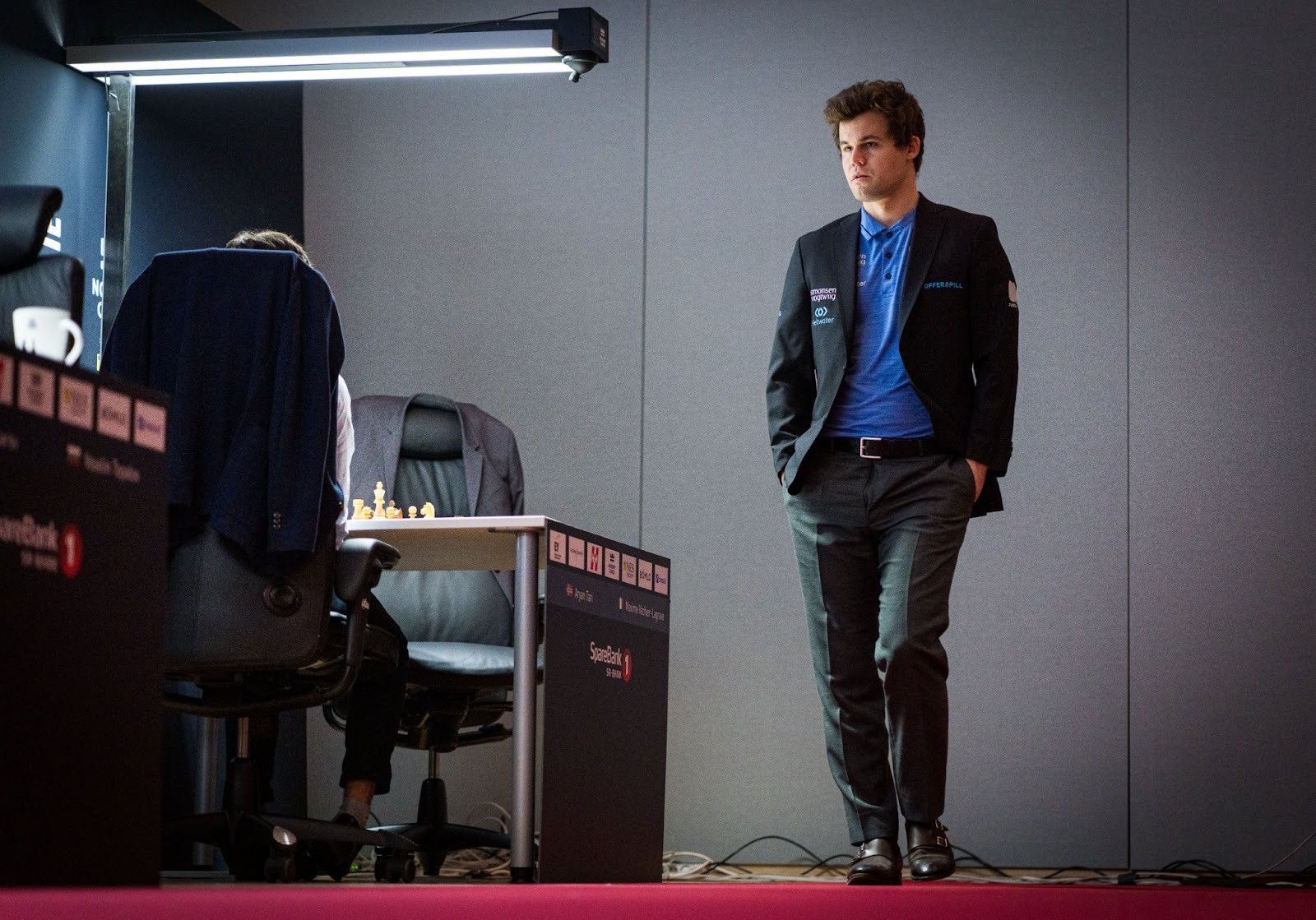
Magnus Carlsen is known for frequently leaving the board, especially in long matches.
This is not random behavior. It helps maintain emotional balance.
Psychological Dominance
Some opponents feel watched when you stand behind them. Others feel ignored. Both reactions can be distracting.
However, standing too close or looming over the board is unacceptable.
Tournament rules require respectful distance. Any behavior intended to intimidate physically is strictly prohibited.
Practical Advice
- Stand up during your opponent’s thinking time.
- Keep a neutral posture. Do not stare or hover.
- Use standing as a way to reset your own focus.
This tactic is most effective when it feels natural. Forced behavior looks suspicious and loses impact.
3. Looking Away While Sitting
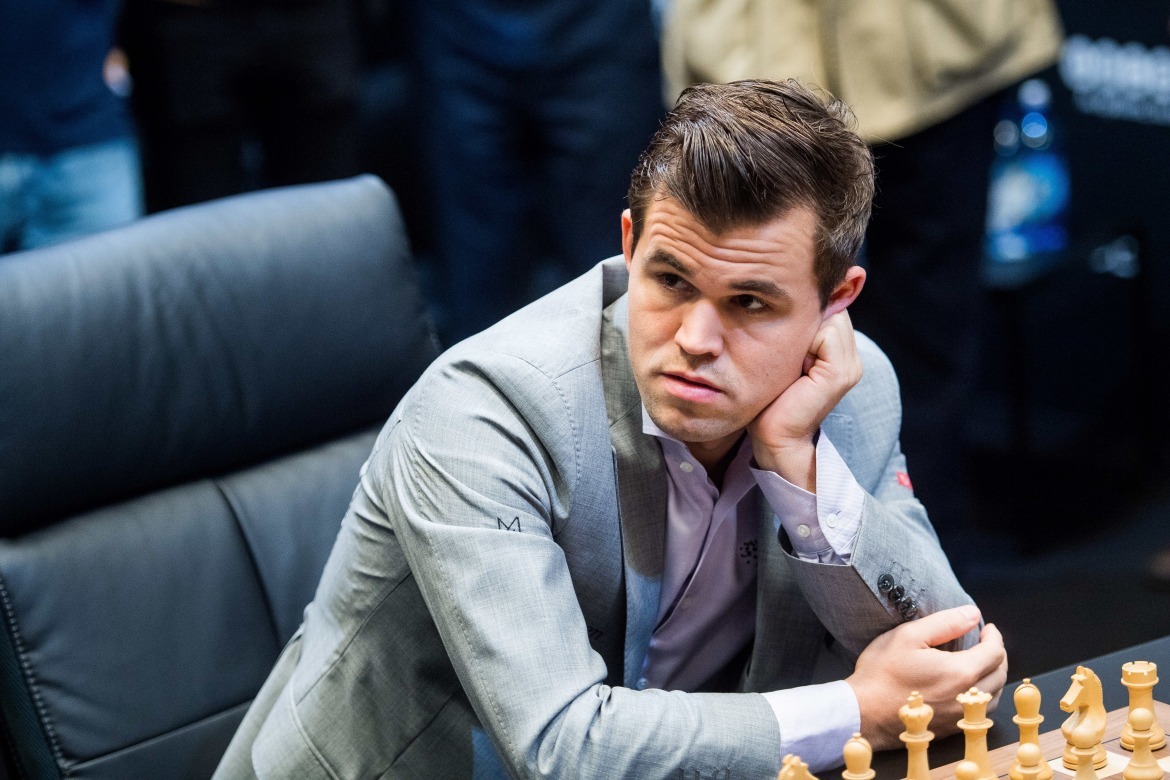
Looking away during your opponent’s move may seem passive, but it is a powerful psychological signal.
Why Eye Contact Matters In Chess
Chess players often seek reassurance through eye contact. They look for reactions:
- Surprise.
- Concern.
- Satisfaction.
When they find none, uncertainty grows.
By looking away, you deny your opponent emotional feedback. They cannot tell whether their move was strong, weak, or irrelevant.
Emotional Neutrality As A Weapon
Neutrality frustrates many players. If you do not react, they must evaluate the position alone. This increases cognitive load and self-doubt.
In tense positions, this can be very effective. The opponent may start second-guessing strong moves simply because they receive no confirmation.
Online Equivalent
In online chess, this effect appears differently.
Players delay their reactions, avoid chatting, and maintain consistent timing to project calm. The principle remains the same.
Famous Examples
Tigran Petrosian was famous for his unreadable demeanor.
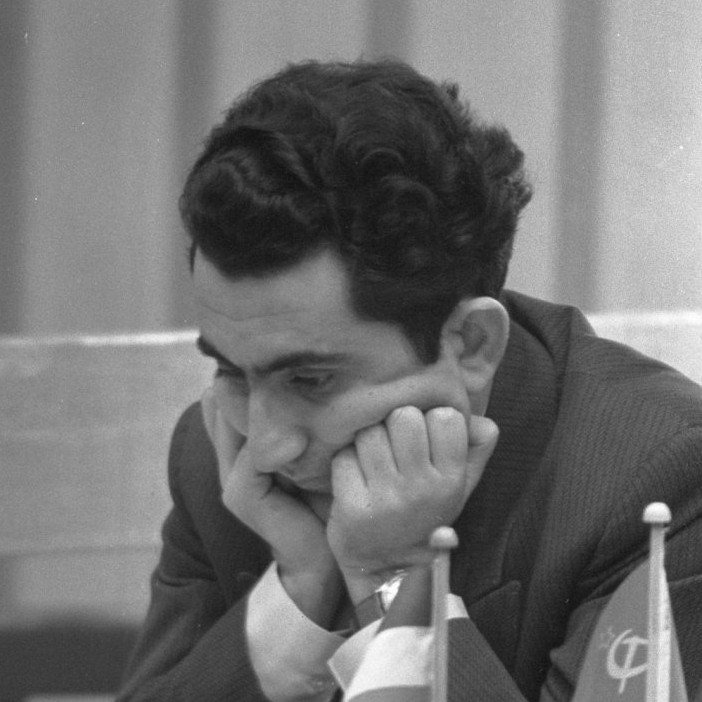
His lack of visible reaction made opponents uncomfortable. They often misjudged positions because they could not “feel” the game through him.
This aspect of Petrosian’s personality contributed to his nickname, “Iron Tigran”.
Ethical Considerations
Feigning reactions or deliberately acting is unnecessary. Simply maintaining a neutral gaze or focusing elsewhere is enough.
Do not:
- Roll eyes
- Smirk
- Show exaggerated disinterest
These behaviors cross into poor sportsmanship.
Practical Advice
- Look at the board only when necessary.
- Keep your face relaxed.
- Let your moves speak for you.
Silence and neutrality are often louder than expression.
4. Colliding Pieces While Capturing
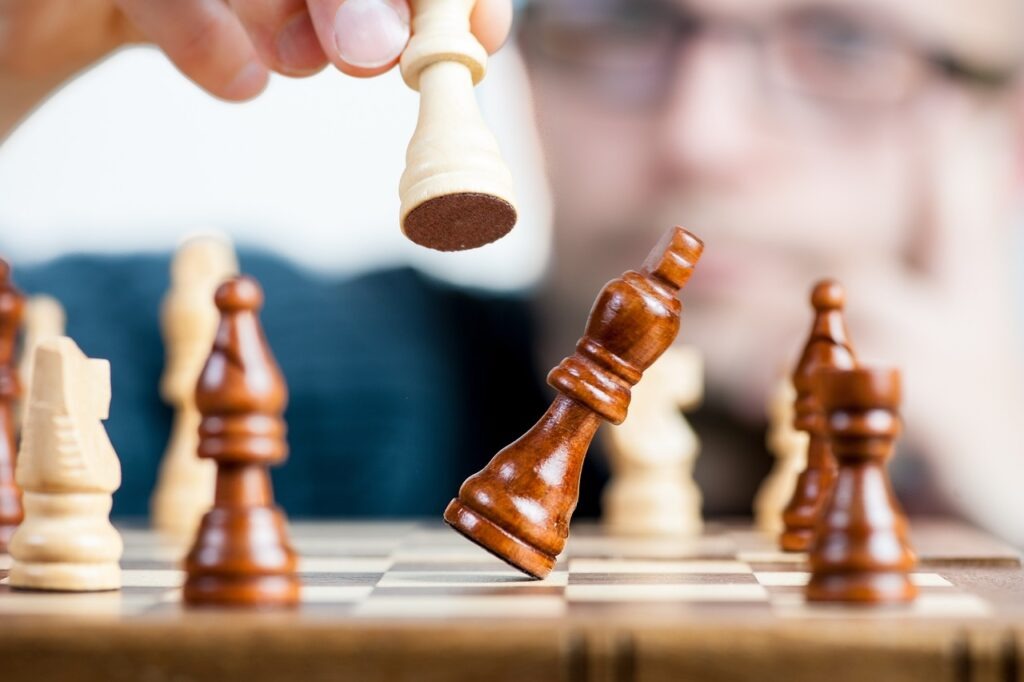
This tactic is the most controversial on the list.
When a player captures a piece, and the pieces collide audibly, it can create a sharp sensory moment.
The sound draws attention, and the movement feels decisive.
Why It Affects Opponents
Chess is usually quiet and controlled. Sudden sounds break the rhythm.
For some players, this causes a brief loss of concentration.
The psychological message is aggression. The capture feels forceful, final, and confident.
Important Rules And Limits
This is where accuracy matters.
Under FIDE Laws of Chess:
- Excessive force or intentional distraction is prohibited.
- Arbiters may penalize unsporting behavior.
A natural collision during a capture is allowed. Slamming pieces is not.
The difference lies in intent and intensity.
When It Works
This tactic tends to be effective only at the club level or in informal games.
Strong players are usually unaffected. Some even become motivated.
Used sparingly, a firm capture can emphasize initiative. Used repeatedly, it becomes irritating and risky.
Psychological Backfire
Many players react negatively to this behavior. Instead of intimidation, it can provoke anger or focus.
Angry players sometimes play better.
Practical Advice
- Never exaggerate piece movement.
- Let captures be firm, not theatrical.
- If an opponent complains, stop immediately.
This tactic is optional, and many strong players avoid it entirely.
5. Playing Unorthodox Openings and Traps
This is one of the most powerful psychological tactics when used correctly.
Unorthodox openings disrupt comfort zones. They pull opponents away from memorized lines and into unfamiliar territory.
Why Unfamiliarity Matters
Most players rely heavily on opening knowledge. When that knowledge disappears, confidence drops.
Unusual openings force your opponent to:
- Think independently early.
- Manage time carefully.
- Solve unfamiliar problems.
This increases the chance of early mistakes.
Traps And Surprise Value
Well-known traps are effective because they exploit common assumptions. An opponent plays “normal” moves and suddenly loses material.
Importantly, traps must be sound. Unsound traps collapse quickly against accurate play.
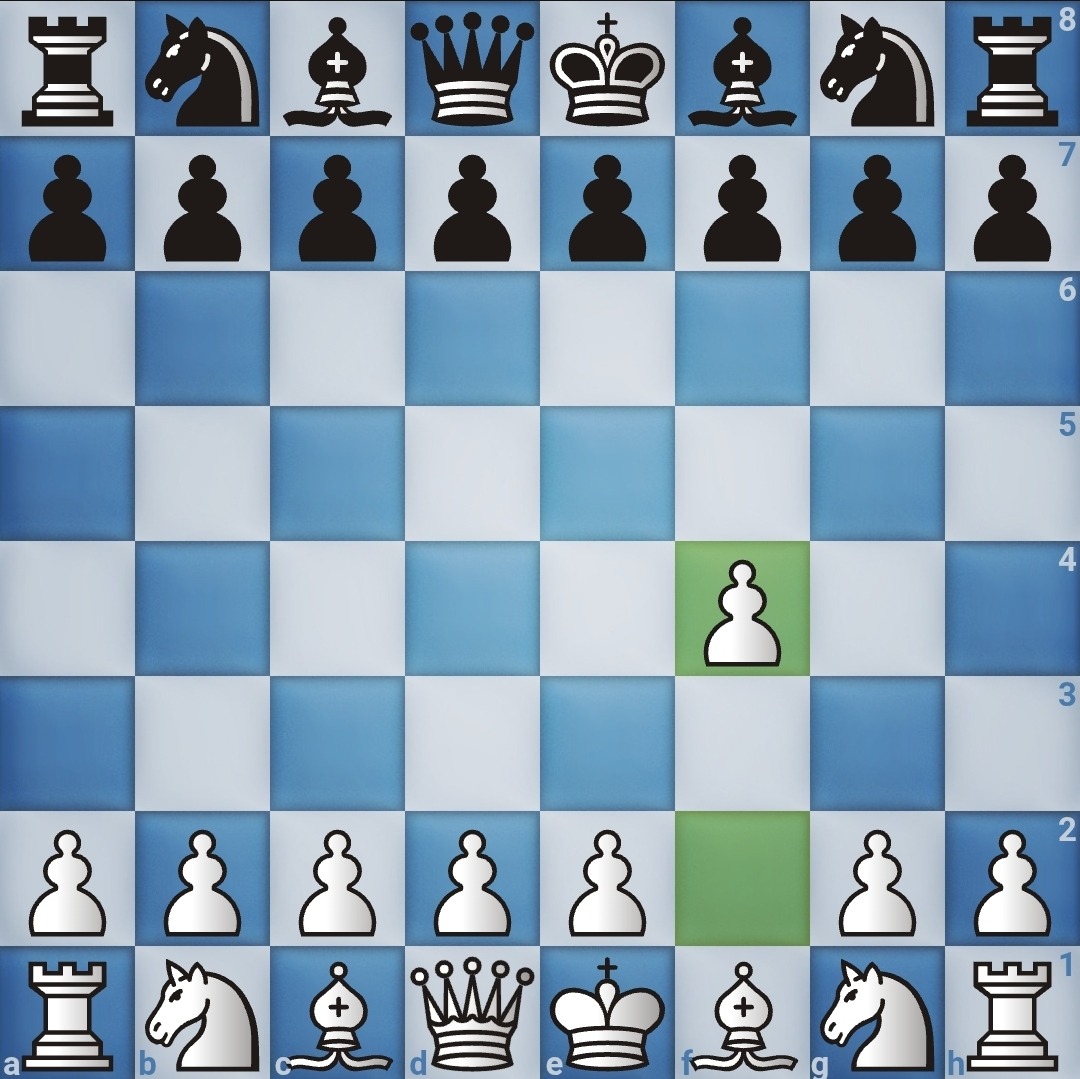
Examples of unorthodox systems:
- The Bird Opening.
- The Grob.
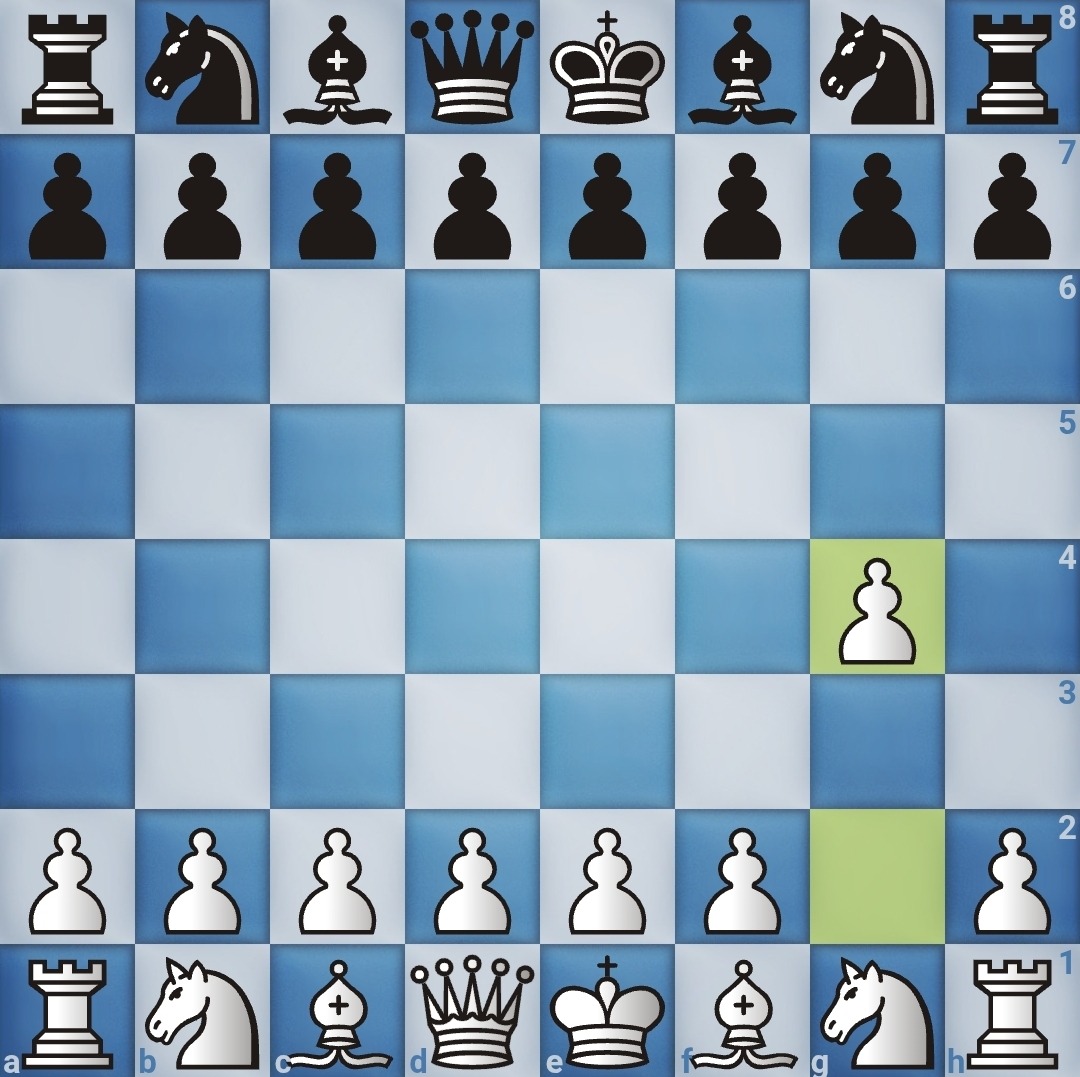
- Early flank pawn advances.
Magnus Carlsen is very well-known in the chess community as someone who loves to play unorthodox openings.
At high levels, even rare lines are analyzed. At the club level, surprise is a real weapon.
Psychological Dominance
When your opponent realizes they are out of theory lines, stress increases. They may overreact, trying to aggressively refute your opening.
This often leads to positional weaknesses.
Risks Involved
Unorthodox does not mean bad. Playing objectively weak openings repeatedly will limit long-term improvement.
The goal is not to avoid learning theory, but to choose systems you understand better than your opponent.
Practical Advice
- Study your unusual openings deeply.
- Know the typical plans, not just traps.
- Use surprise to gain comfort, not chaos.
Confidence comes from understanding, not trickery.
Final Thoughts
Psychological tactics alone do not win games. Good moves still matter most.
However, chess is played by humans, not engines. Emotions, confidence, and perception influence decisions at every level.
The best players understand this balance. They use psychology subtly, stay within the rules, and never rely on gimmicks.
If you choose to use these tactics, do so with awareness and restraint. Let them support your chess, not replace it.
In the end, the strongest psychological weapon in chess remains the same:
Consistent good moves, played with calm confidence.




join the conversation