

Most players love experimenting with wild openings at home. It feels exciting.
It gives you the thrill of catching an opponent off guard.
But when you sit down at a tournament board, the atmosphere changes. Every move matters.
Every weakness becomes a target. Strong opponents punish unsound openings without mercy.
Many openings that look flashy online collapse in serious games. They promise early tricks but offer no long-term stability.
Once someone defends accurately, the entire setup falls apart.
Below are the popular but dangerous openings you should never bring to an event where your rating and reputation matter.
1. The Grob Attack (1. g4)
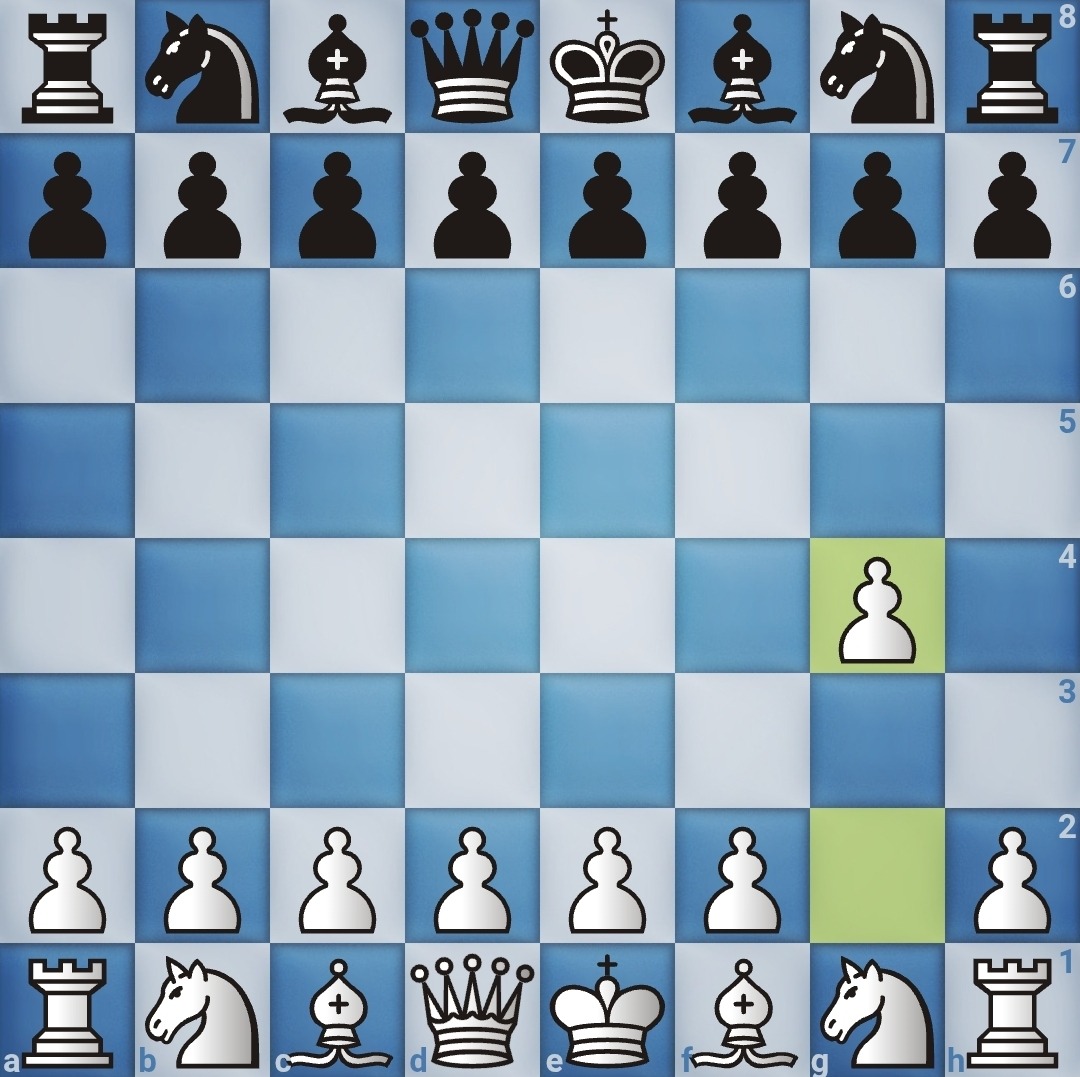
The Grob is dramatic. It breaks every principle in one move. Players love it because it looks creative, but it weakens the kingside immediately.
Black can respond with …d5 or …e5 and seize the center before White develops a single piece.
Strong players also analyze this opening deeply with chess software, which makes the line even riskier for anyone who tries to surprise an opponent.
Why You Should Avoid It:
- It weakens the king early.
- It hands the center to Black.
- It depends on tricks, not solid play.
- Its refutations are simple and well-known.
2. The Latvian Gambit (1. e4 e5 2. Nf3 f5)
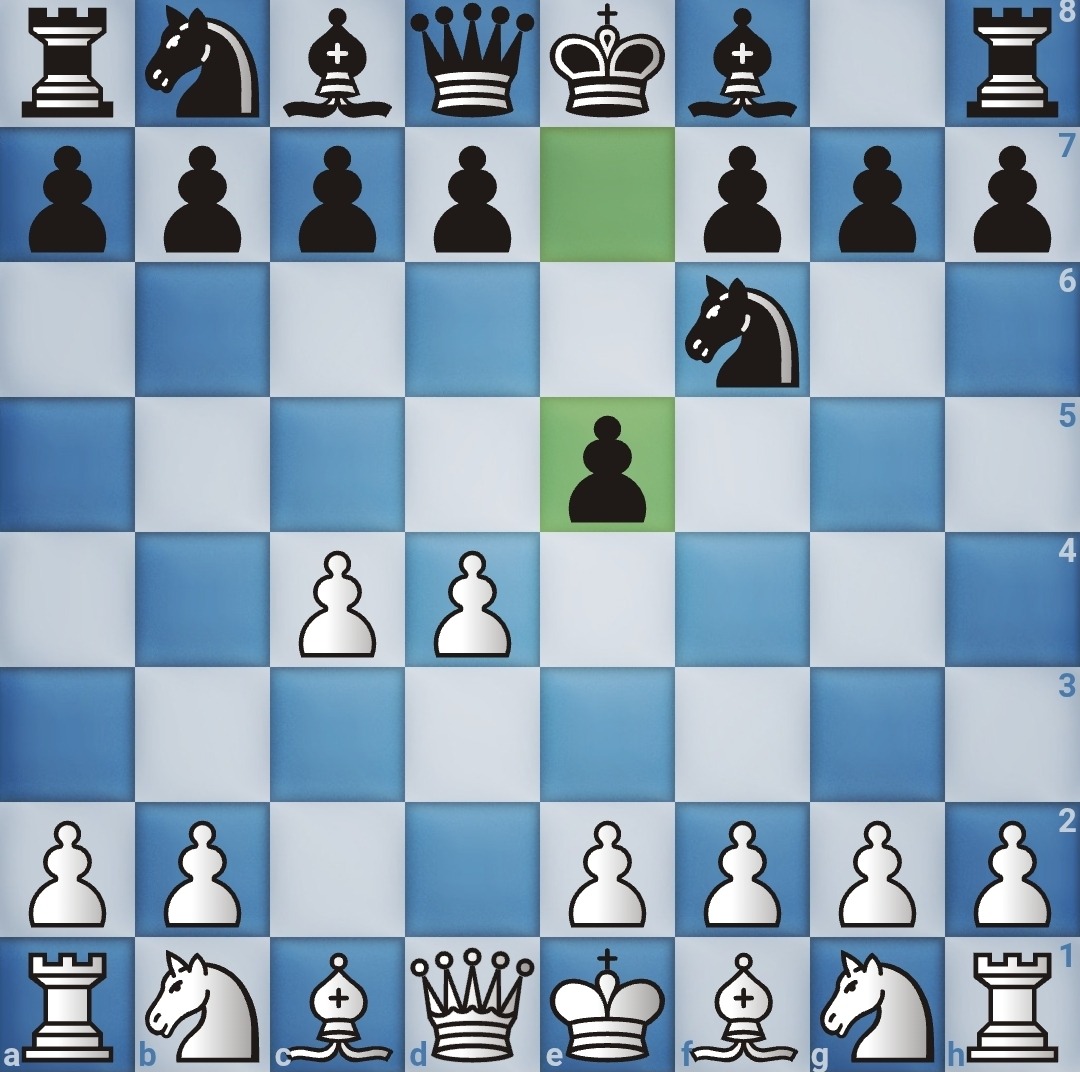
The Latvian Gambit looks like a wild, aggressive version of the King’s Gambit. But it is fundamentally unsound.
Black weakens the kingside and gives White easy development.
Players who study modern theory can punish this gambit immediately. After 3. Nxe5, White enjoys a strong center, open lines, and a safer king.
Why You Should Avoid It:
- Black falls behind in development.
- The kingside becomes extremely weak.
- White gets powerful attacking chances.
- Strong players know all the key refutations.
3. The Englund Gambit (1. d4 e5)
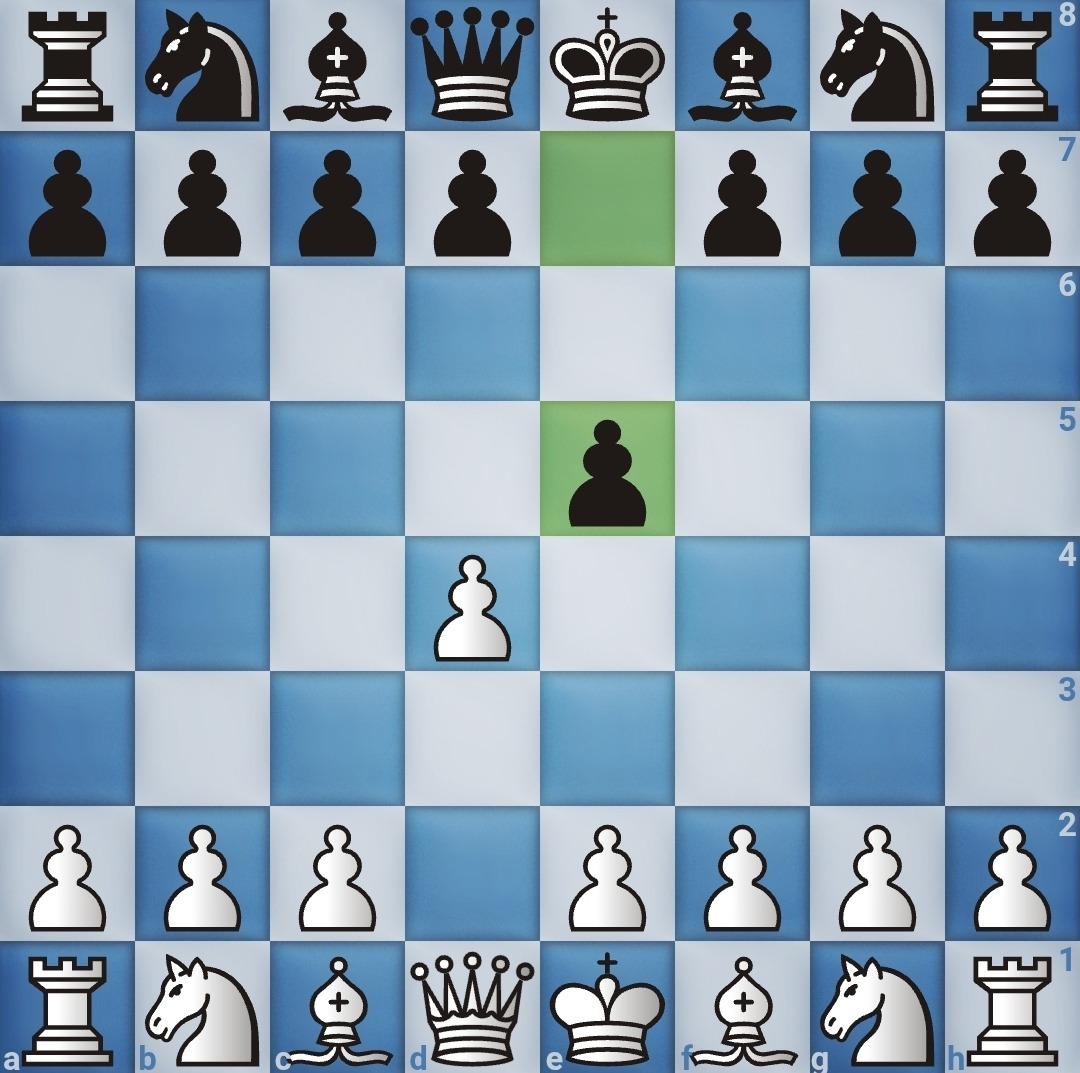
The Englund Gambit is popular on chess websites because it leads to quick traps.
But traps only work when your opponent does not know the theory. In a tournament, White simply captures the pawn with 2. dxe5 and gets an easy advantage.
Black sacrifices a center pawn for nothing and is left with awkward development.
This is one of the most unreliable choices in classical time control.
Why You Should Avoid It:
- Black gets no lasting compensation.
- White’s replies are simple and strong.
- Black falls behind in both space and development.
- Every strong defender knows the antidote.
4. The Stafford Gambit (1. e4 e5 2. Nf3 Nf6 3. Nxe5 Nc6)
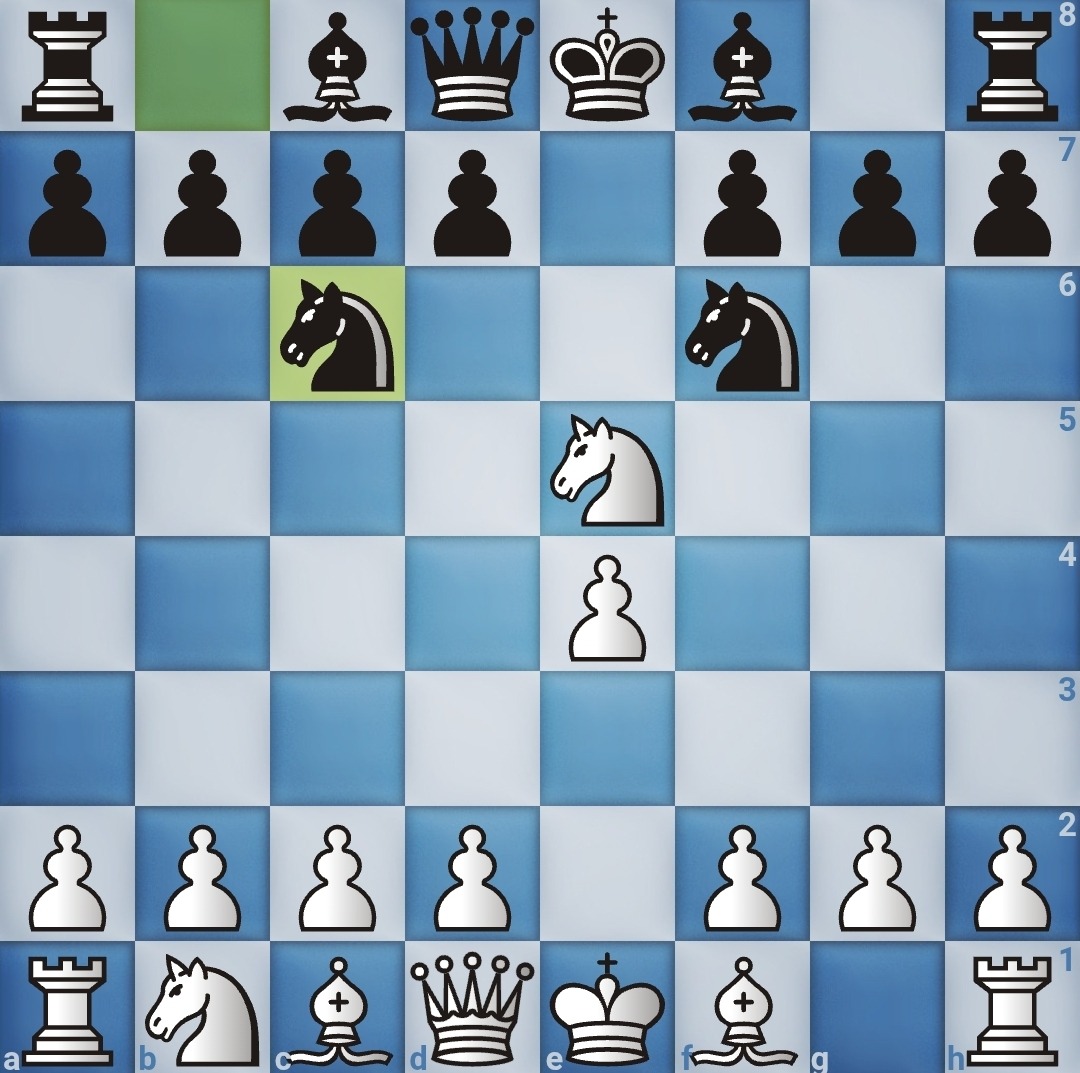
The Stafford Gambit is another online sensation.
The attacks look spectacular in videos, but most of those attacks depend on poor defense. With calm play, White shuts everything down.
Once White neutralizes the early threats, Black becomes a pawn down with little to no compensation.
Why You Should Avoid It:
- The attacking ideas are not sound.
- Strong players avoid every trap.
- Black loses a pawn with no long-term play.
- The endgames are hopeless.
5. The Halloween Gambit (1. e4 e5 2. Nf3 Nc6 3. Nc3 Nf6 4. Nxe5)
This gambit sacrifices a knight for two central pawns. It sounds brave, but it is reckless.
White gains a temporary initiative, but experienced Black players can easily counter the threats.
After the dust settles, White remains down a whole piece. No serious player wants to fight an endgame a piece down.
Why You Should Avoid It:
- White sacrifices too much material.
- The attack ends quickly against an accurate defence.
- Black enters winning endgames with ease.
- Nothing compensates for the lost knight.
6. The Budapest Gambit (1. d4 Nf6 2. c4 e5)
The Budapest Gambit isn’t as unsound as the others, but it is still unreliable in serious events.
Black attempts to seize the initiative, but White maintains control of the center and enjoys long-term structural advantages.
Players who know how to defend small threats easily neutralize Black’s initiative.
When the middlegame arrives, White often has the only winning chances.
Why You Should Avoid It:
- It concedes central control.
- Black must play very accurately.
- White enters better endgames.
- It rarely produces solid results at higher levels.
7. The Wing Gambit against the Sicilian (1. e4 c5 2. b4)
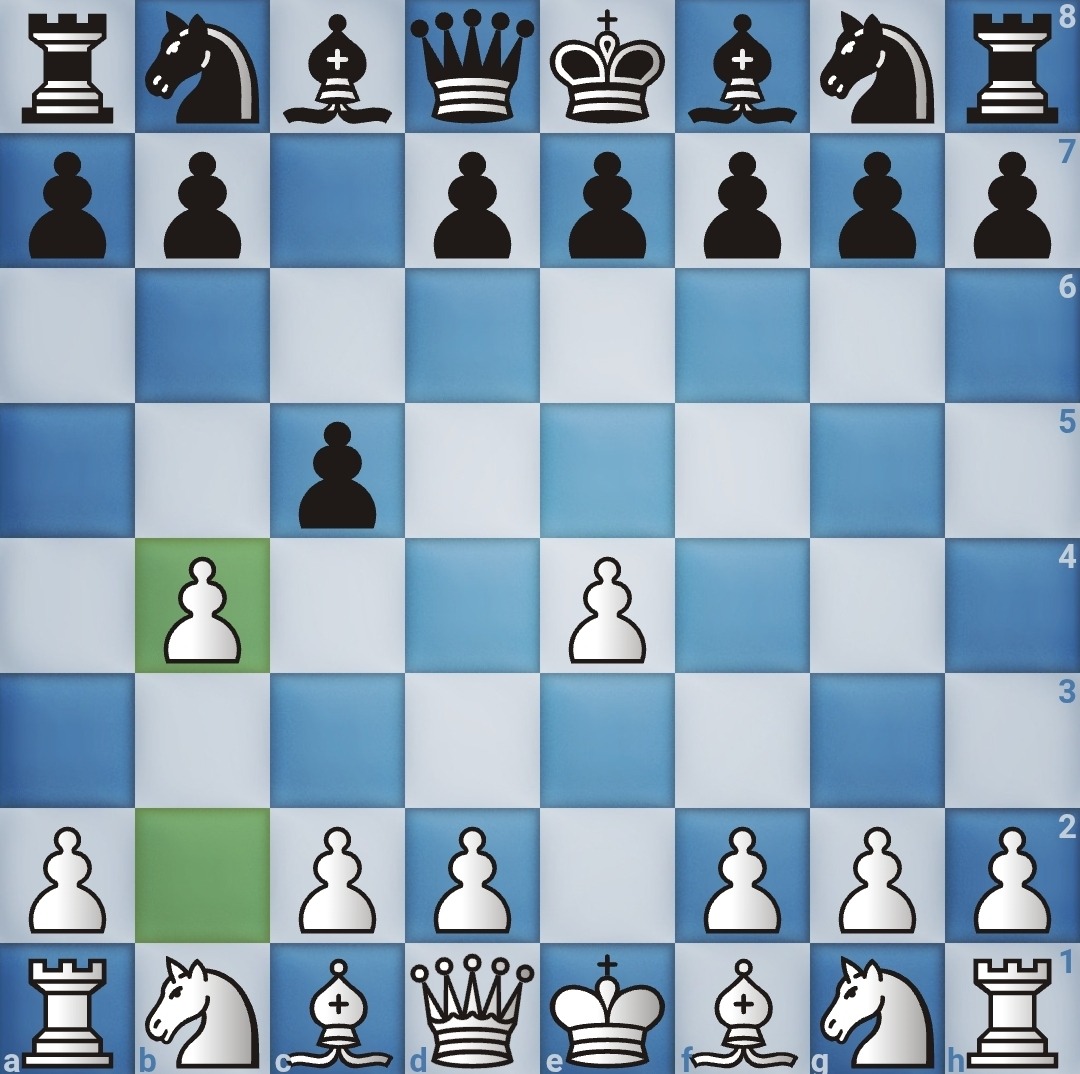
This gambit tries to undermine Black’s c-pawn early, but it creates more problems than it solves.
White gives up a wing pawn before completing development. Black can accept the pawn or ignore it and take the center.
Why You Should Avoid It:
- It weakens the queenside.
- It does nothing for development.
- Black gets easy counterplay.
- Tournament players know how to defuse it.
8. The Smith-Morra Gambit (1. e4 c5 2. d4 cxd4 3. c3)
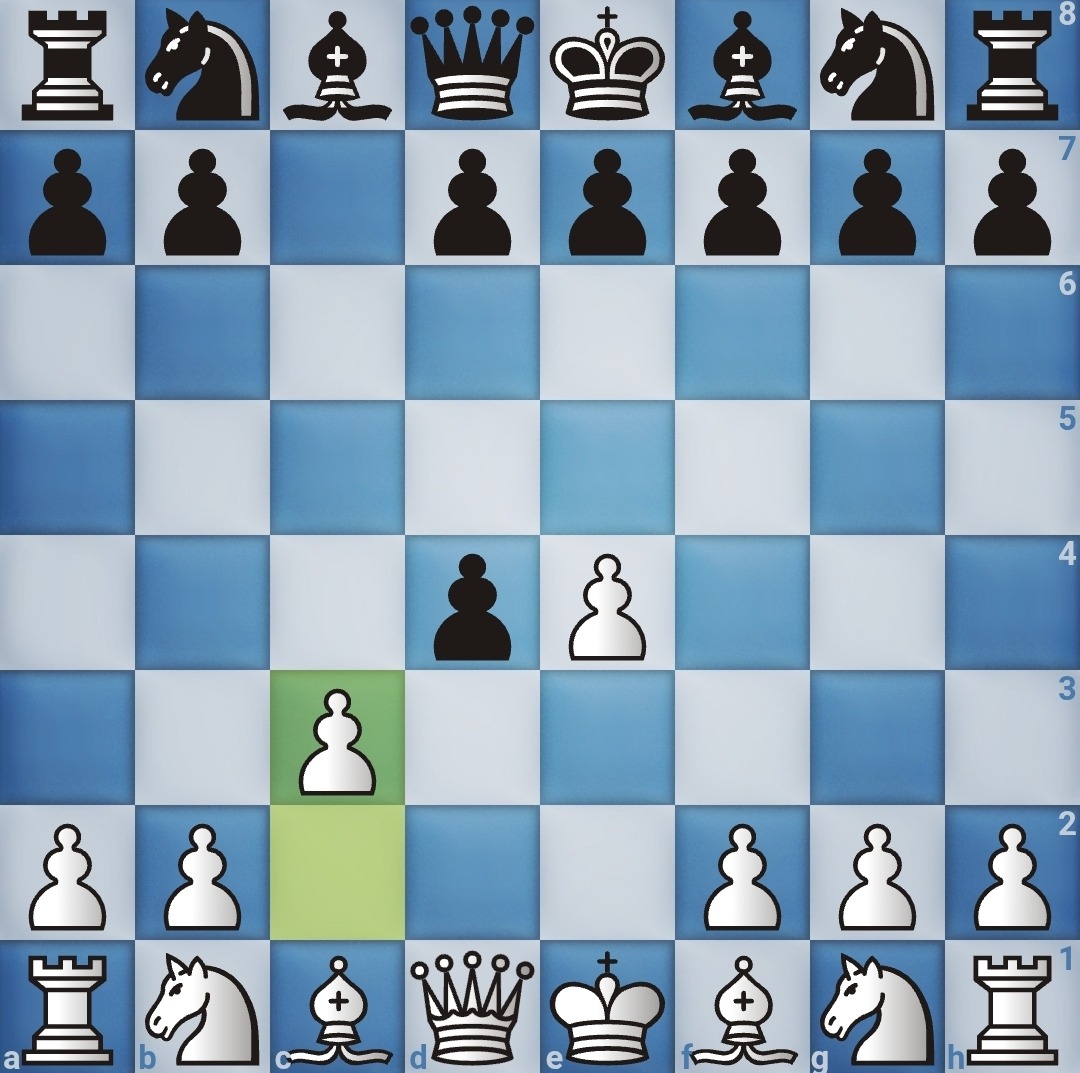
The Smith-Morra is one of the most dangerous blitz weapons against the Sicilian.
White looks to sacrifice a pawn for rapid development and quick attacking chances.
However in tournament settings, it collapses against proper preparation.
Strong Sicilian players study anti-Morra lines using modern chess engines and powerful chess software. They know every attacking idea White hopes for.
Why You Should Avoid It:
- Black equalizes quickly with the correct setup
- The initiative is short-lived
- Endgames are terrible for White
- Black can decline the gambit entirely
9. The Danish Gambit (1. e4 e5 2. d4 exd4 3. c3)
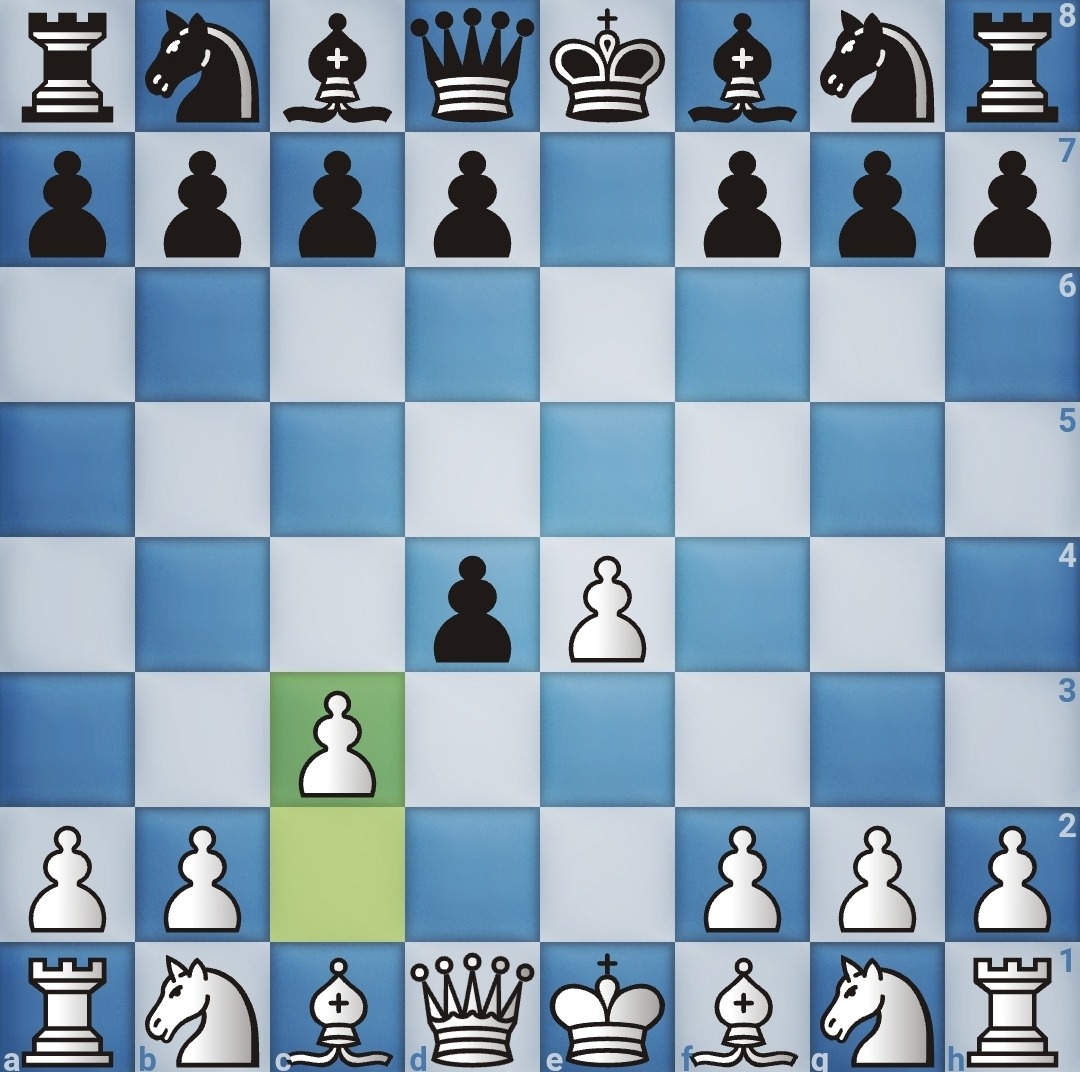
The Danish Gambit is exciting, aggressive, and packed with ideas. It teaches beginners how to attack. But in tournaments, it struggles badly.
The idea behind the Danish Gambit is that White sacrifices a pawn or two to achieve rapid development and launch a quick attack.
However, against experienced players who defend well, the threat is easily dealt with.
Why You Should Avoid It:
- Black easily neutralizes the initiative
- The attack fades with calm defence
- White enters losing endgames
- Every line is refuted by simple engine preparation
10. The Barnes Opening (1. f3)
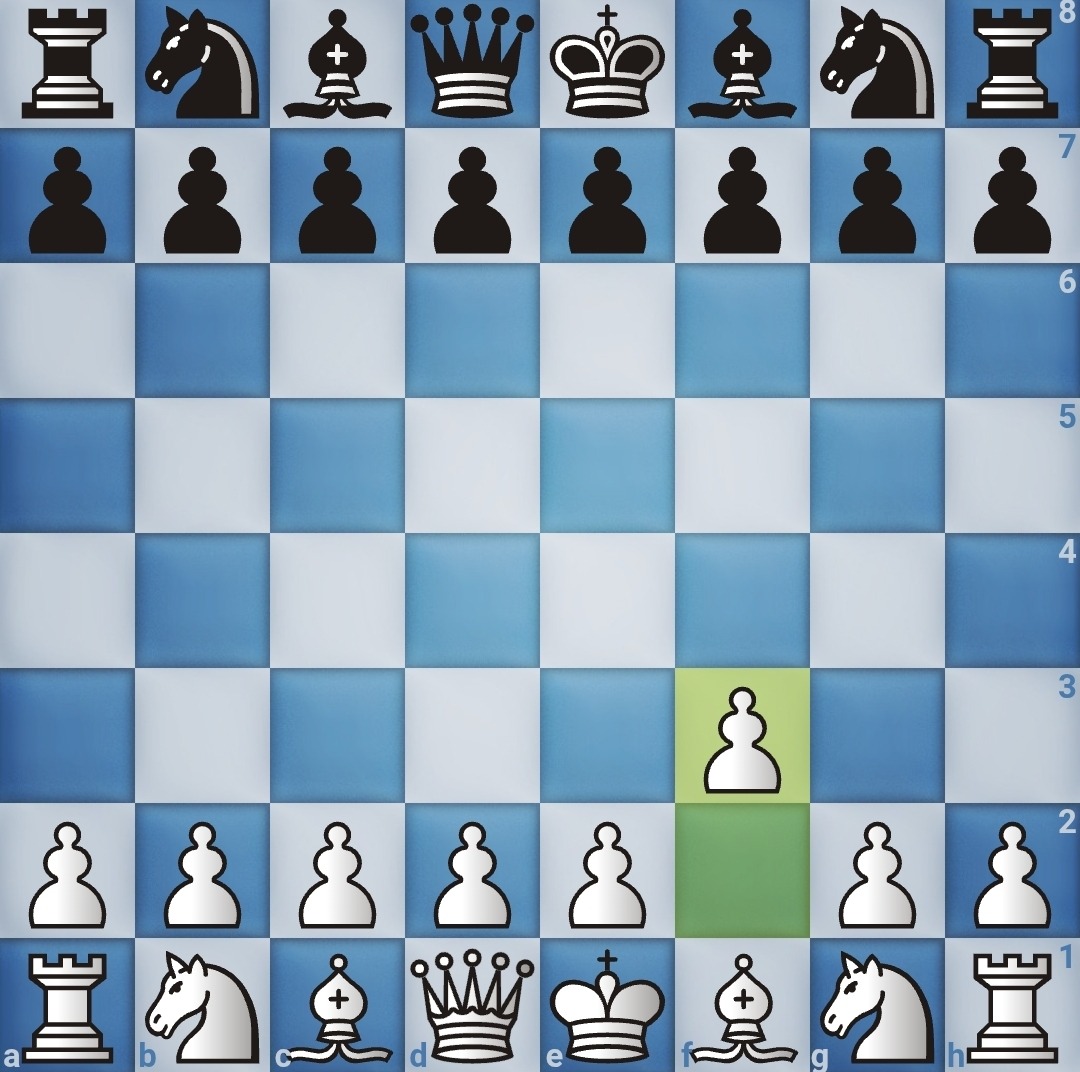
The Barnes Opening breaks every opening rule in one move. White neither develops nor fights for the center.
The move also weakens the king by exposing the diagonal leading to h4.
Black can instantly seize the center with …d5 and …e5 and begin a direct assault on White’s king.
Why You Should Avoid It:
- It wastes the first move.
- It weakens key light squares.
- Black gets immediate, easy activity.
- White’s development becomes painfully slow.
Why These Openings Don’t Survive Tournament Play
Most of these openings succeed only when your opponent plays fast and careless moves. That works online. It does not work over a real board.
Tournament players calculate more deeply. They use longer time controls. They prepare extensively and have access to a large theory database.
Traps no longer win games. Structure wins games. Center control wins games. Good development wins games. King safety wins games.
Conclusion
Cheap tricks and mate-in-two openings only work at the beginner level. Tournament players are tiers above.
To really improve your chess, use openings that offer real strategic value.
Read books on positional mastery, attacking chess, and structure. Choose lines that hold up under pressure and survive deep analysis.
Chess rewards discipline. In tournament games, avoid the openings we listed, and you will play confident, stable, and quality chess.





join the conversation