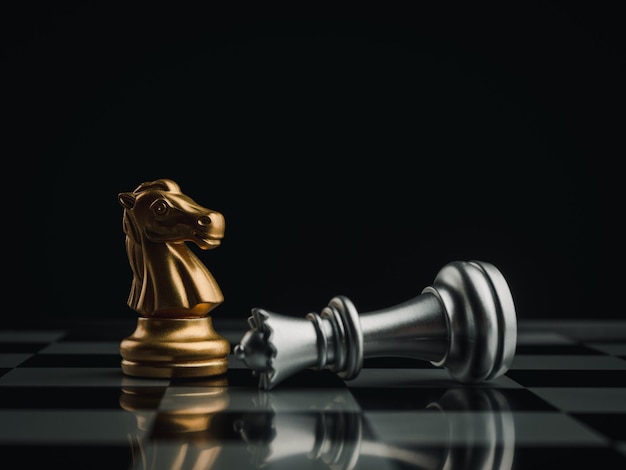
If you’ve spent some time around a chessboard, you’ve probably asked yourself at some point: “can a queen move like a knight?”
It’s a fair question. After all, the queen already does so much. She moves like a rook. She moves like a bishop. She covers huge stretches of the board in a single turn. So it’s natural to wonder whether she can also perform the knight’s famous jump.
The short answer is NO, the queen cannot move like a knight. But understanding why deepens your knowledge of the game.
How The Queen Moves
A queen combines the mobility of every piece on the chess board except the knight. Therefore, the queen cannot “jump” over other pieces, nor can any pieces on the chess board except the knight.
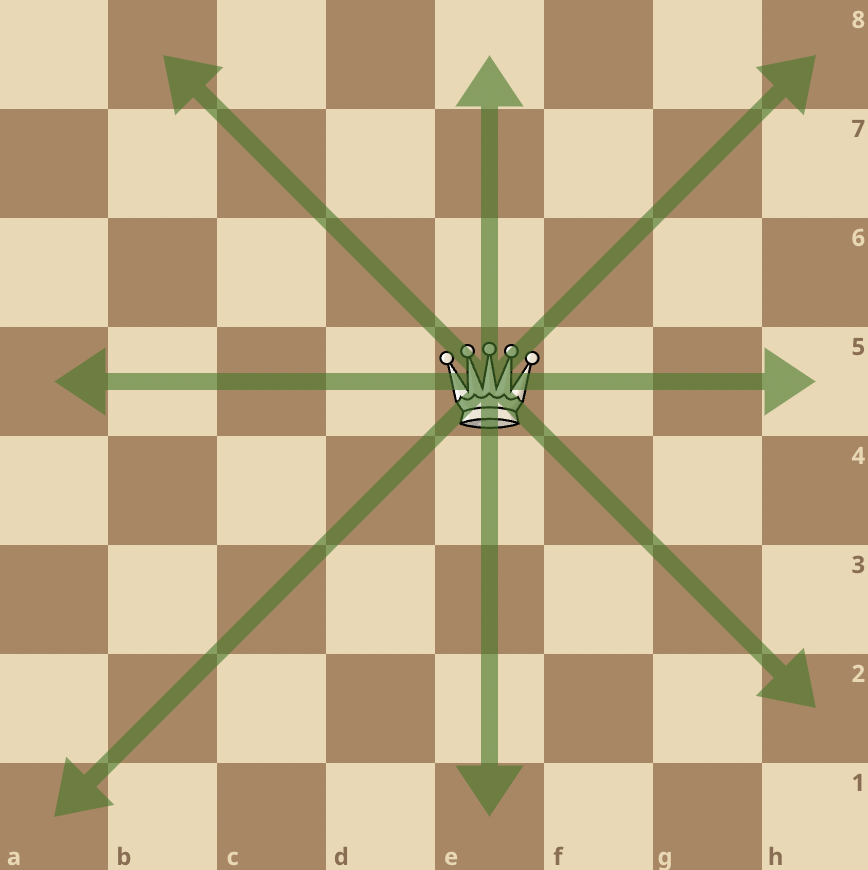
The queen simply moves vertically, horizontally and diagonally in any direction and on any legal square.
How The Knight Moves
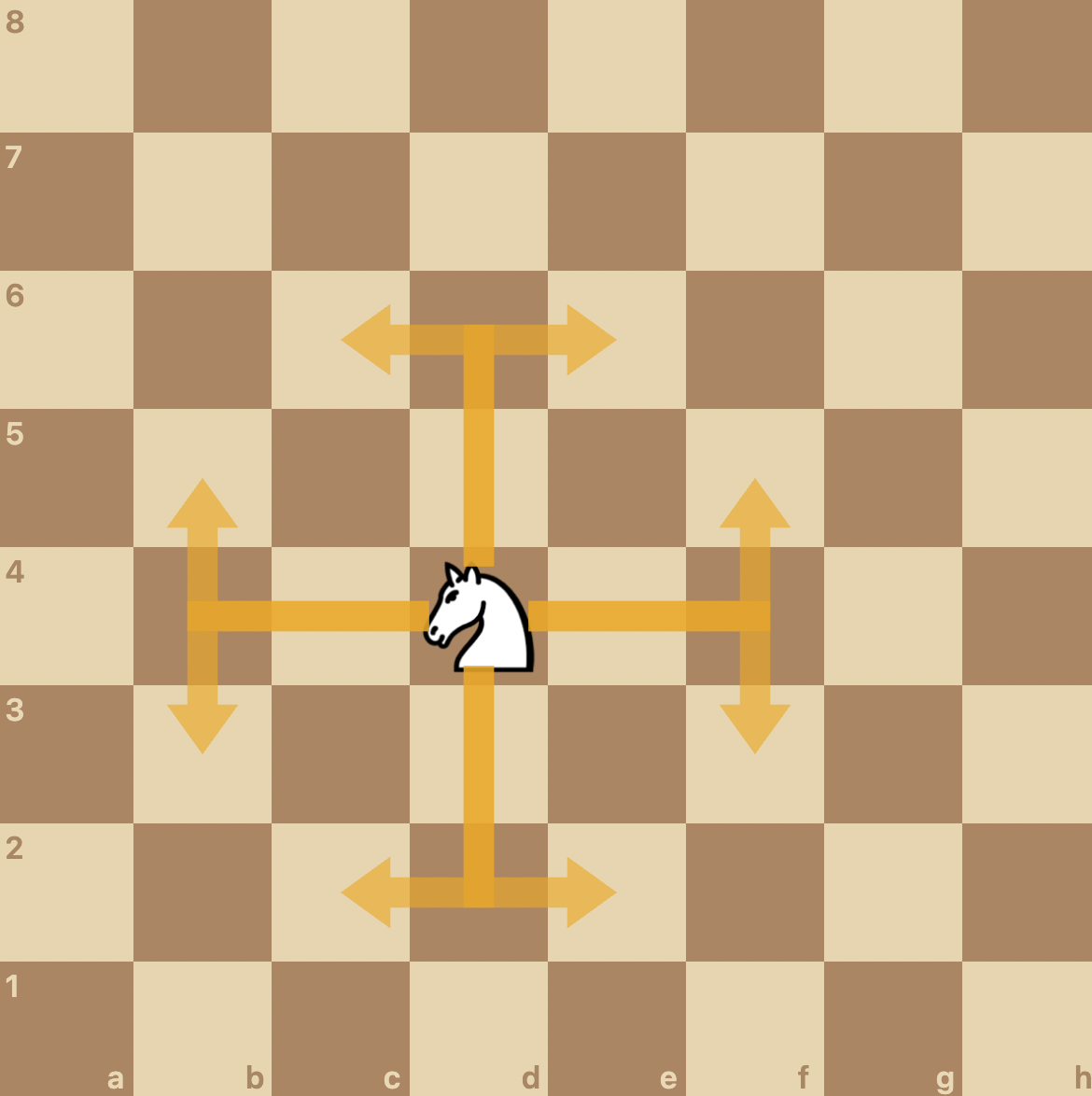
The Knight on the other hand is a horse-shaped piece on the chess board that moves in an “L-shape.”
This means that the Knight can move two squares in any direction vertically followed by one square horizontally or two squares in any direction horizontally followed by one square vertically.
In addition, it is the only unique piece on the chessboard that possesses the power to “jump” over other pieces.
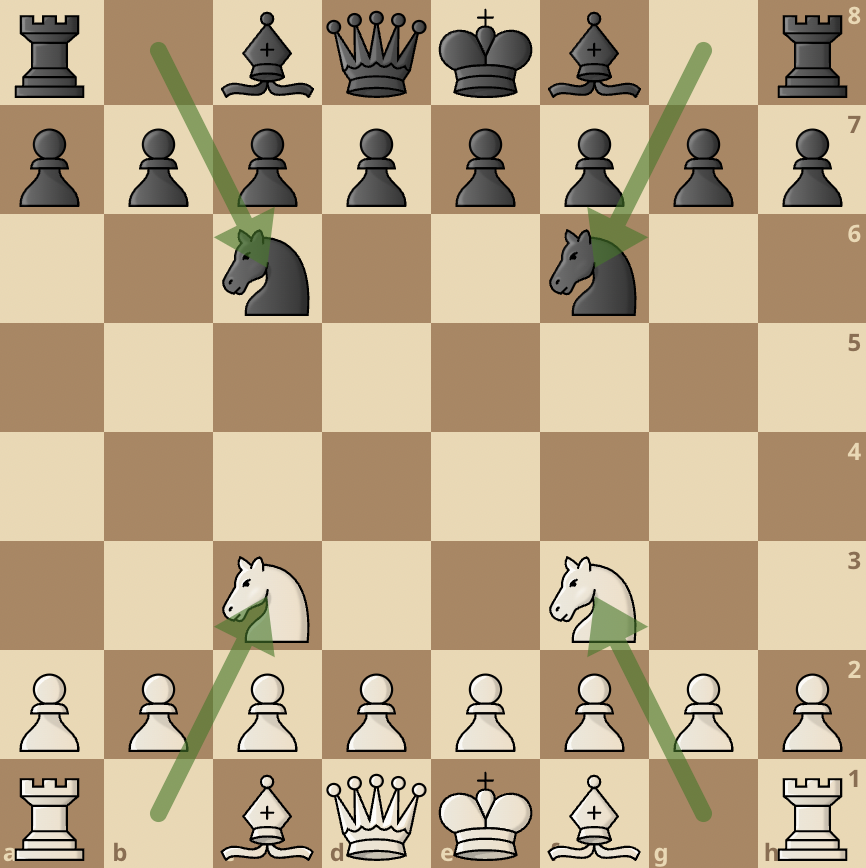
So, you can see that the queen is far different from the knight.
Why the Queen Cannot Move Like a Knight
The queen’s strength comes from combining two types of movement: long-range straight lines and long-range diagonals.
Every step she takes must stick to one of those patterns. She can’t break out of them, and she can’t “jump” over other pieces the way a knight does.
The knight, on the other hand, is built around a single idea: the L-shaped leap. That move ignores blocking pieces entirely.
It also lets the knight attack squares that no other piece can reach directly. Chess rules treat this jump as a unique privilege, reserved only for knights.
Despite their seemingly antagonistic nature, they make a very deadly team when they team up. Combined, their legal moves matches every other chess piece, and they can launch devastating attacks and checkmate patterns like the Smothered Mate.
We hope you got value from this.
For further study, we recommend reading these:




join the conversation