There is something magical about the moment before a major chess game begins.
The hall is silent, cameras focus on the board, and the world’s top players sit still, waiting.
Then someone who isn’t even part of the match steps forward, touches a pawn, and makes the very first move.
It lasts just a few seconds, but the symbolism runs deep. This moment is known as the ceremonial first move.
In this article, we will cover everything you need to know about the ceremonial first move.
What Exactly Is a Ceremonial First Move?
A ceremonial first move is a symbolic opening move made on behalf of White by an invited guest before the real competitors begin their game.
This guest may be a political figure, a celebrity, a sports champion, or an iconic personality connected to the event.
Once the guest makes a move, the player with White has two choices:
- Accept the move and continue from that position, or
- Correct the move by adjusting it to the opening they intend to play.
Both options are allowed. The symbolic guest does not influence the actual game; the players remain in full control of the game.
This practice is widespread at prestigious events because it adds ceremony, public attention, and a touch of pageantry
It also reflects how chess, although a competitive sport, is often tied to culture, diplomacy, and tradition.
Why Do Chess Tournaments Use Ceremonial First Moves?
Chess organizers use ceremonial first moves for several reasons:
1. To honor distinguished guests
Inviting someone to make the first move is a way of recognizing their influence or support.
2. To connect chess with national or cultural identity
At World Championships or high-profile games, hosts often bring in cultural icons or government officials to spotlight local pride.
3. To increase media visibility
Celebrities and high-ranking officials bring attention to tournaments, which helps organizers attract sponsors and viewers.
4. To maintain tradition
Ceremonial first moves have been part of chess for decades, becoming a recognizable ritual in professional play.
How the Process Works
The ceremonial sequence usually follows this pattern:
- Players arrive and take their seats.
- The arbiter announces the start of the round.
- The distinguished guest approaches the board.
- The guest plays a symbolic first move on behalf of White.
- The White player either keeps the move or retracts it and makes another move.
- The game proceeds normally.
The move is almost always a common opening move, such as 1.e4, 1.d4 or 1.c4.
However, there have been some special occasions where dignitaries chose uncommon openings, as we will see shortly.
Famous Personalities Who Have Made Ceremonial First Moves
World leaders, cultural icons, and sports heroes have all played ceremonial first moves at major chess events.
Here are some notable examples:
1. Mikhail Gorbachev (Former President of the Soviet Union)
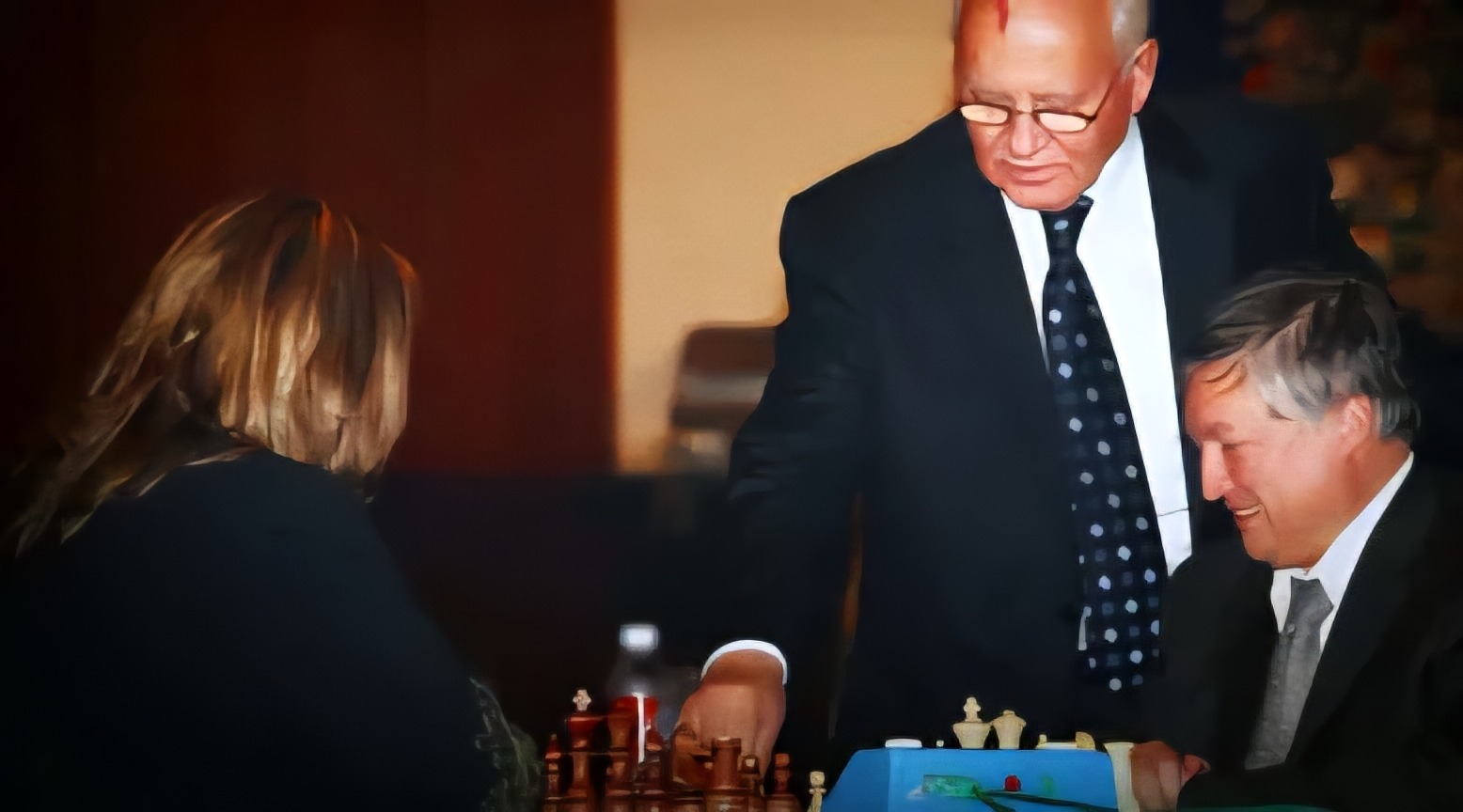
Gorbachev made the ceremonial first move (1.g4, the Grob attack) for Anatoly Karpov in an exhibition match against Susan Polgar in Lindsborg, Kansas, in 2005.
2. Garry Kasparov

Garry Kasparov made the ceremonial first move in the game between Magnus Carlsen and Gukesh D in the 2024 Superbet Poland Rapid & Blitz.
3. Anatoly Karpov

Karpov made the ceremonial first move of the Anand-Kramnik 2008 World Championship match.
4. Vishy Anand
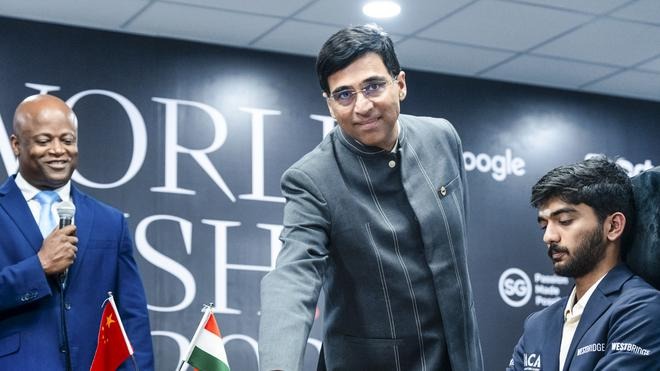
Anand made the ceremonial first move in Game 4 of the 2024 World Chess Championship between Gukesh D and Ding Liren.
5. Woody Harrelson (Actor)
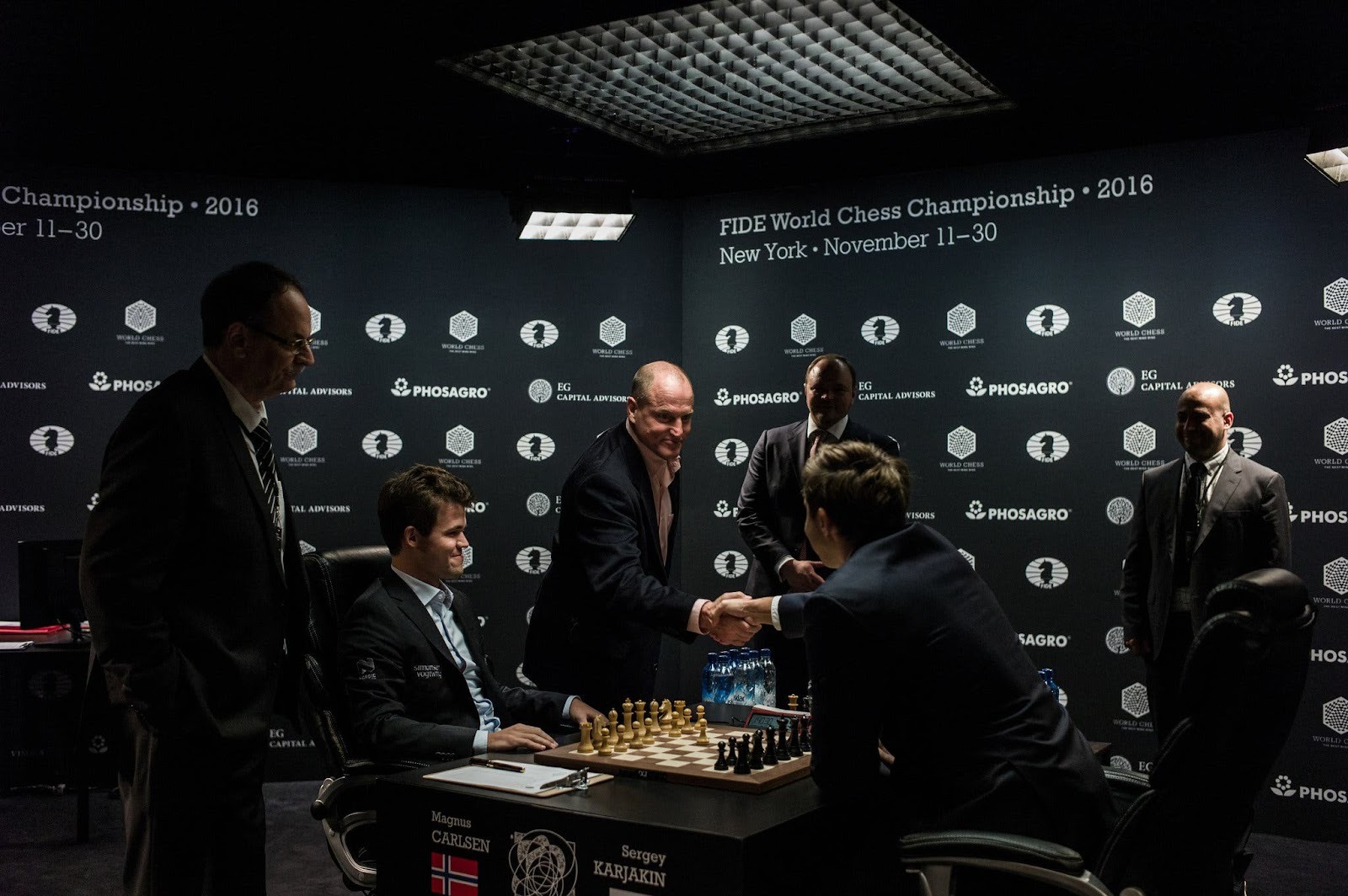
Woody Harrelson made the ceremonial first move for Magnus Carlsen in Game 1 of the 2016 World Chess Championship match against Sergey Karjakin in New York.
6. Andy Murray (Tennis player)
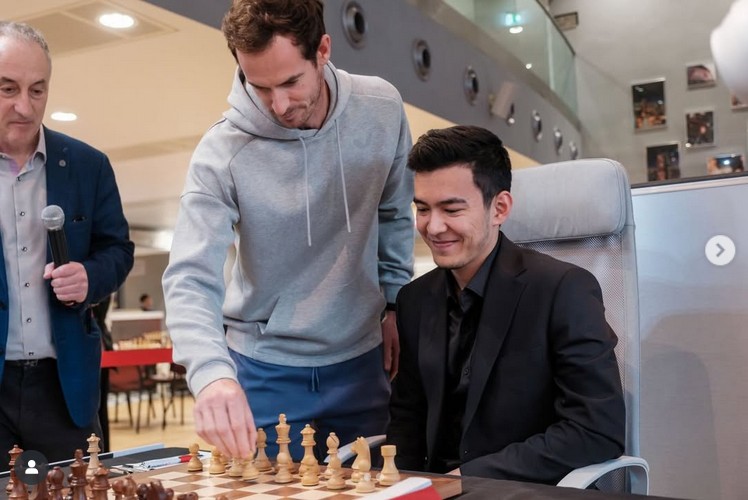
Andy Murray made the ceremonial first move for Nodirbek Abdusattorov against Abhimanyu Mishra at the 2025 London Chess Classic.
Instances When Players Accepted Ceremonial First Moves
Players can either choose to accept or reject ceremonial first moves.
Instances where players accepted the ceremonial first move include:
1. Chess for Peace Exhibition Match 2005
Game: Anatoly Karpov vs Susan Polgar
Guest: Mikhail Gorbachev (Former President of the Soviet Union)
Ceremonial Move: 1.g4
This is the most famous example of a ceremonial first move being accepted.
Gorbachev insisted on opening the game with 1.g4 (the Grob Opening).
Karpov honored the gesture and played the game from that position, making it one of the most memorable ceremonial moves in chess history.
2. World Chess Championship 2016
Game: Magnus Carlsen vs Sergey Karjakin
Guest: Woody Harrelson (Actor)
Ceremonial Move: 1.d4
During the opening ceremony of the 2016 World Chess Championship, Woody Harrelson made the first move for Magnus Carlsen.
Carlsen accepted the move and continued the game from that position.
3. Grand Chess Tour 2019 Croatia
Game: Magnus Carlsen vs Anish Giri
Guest: Garry Kasparov (Former World Champion)
Ceremonial Move: 1.e4
Kasparov made the ceremonial first move on the top board at the Croatia Grand Chess Tour event.
The players continued from the position without retracting the move, treating it as the official start of the game.
Symbolism Behind Ceremonial First Moves
Ceremonial first moves add meaning beyond the board:
1. Diplomacy
World leaders often make ceremonial first moves to represent national support for the event.
2. Inspiration
Young players seeing their heroes, favorite actors, athletes, or legends, touch a chessboard, feel encouraged to play and learn.
3. Tradition and continuity
Chess is a game with centuries of history. Ceremonial first moves link today’s players with the tradition of past champions.
4. Visibility
A star making a first move creates media buzz, which helps chess grow.
Do Chess Players Like Ceremonial First Moves?
Most professional players enjoy the tradition. Many see it as a form of honor for the guest and the game. However:
- Some prefer to correct the move to maintain opening consistency.
- Others accept the move to avoid disrupting the ceremony.
- A few players, especially during intense matches, prefer minimal distractions.
Conclusion
Ceremonial first moves are simple gestures with deep meaning.
They honor guests, open great battles with dignity, and connect chess to wider society.
They remind us that chess is more than a competition of moves; it is a celebration of culture, intellect, and human connection.



join the conversation